

In the export trade of industrial products such as tool cabinets and tool carts, technical details often determine success or failure. Plate thickness, slide rail load-bearing capacity, wheel specifications, and powder coating process are all core indicators that customers focus on. Among these, the powder coating process not only affects the product’s appearance but also directly impacts its rust resistance and durability. A qualified powder coating process must achieve the following: no bubbles, no peeling, no missed areas, uniform powder layer, no powder residue, no welding slag, no scratches, no dents, and a clean and tidy surface.
However, it was precisely this seemingly basic yet crucial step that caused me to stumble during a key communication session.
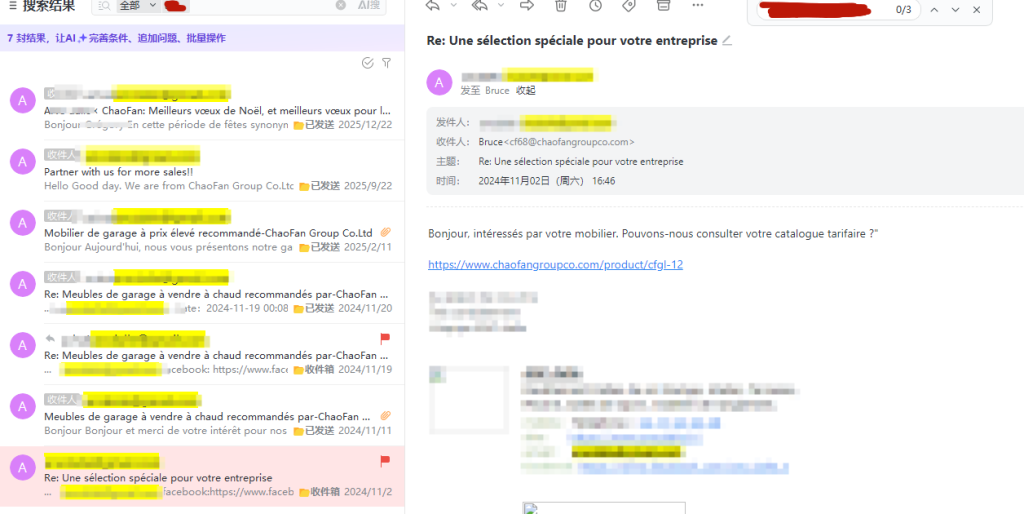
I was following up with a new French client, communicating for over a year from 2024 until now. We gradually built trust, from product introductions and parameter confirmations to price negotiations, and the client finally expressed their willingness to move on to the sample stage. This was a breakthrough, but it came to an abrupt halt due to an unintentional operational error.
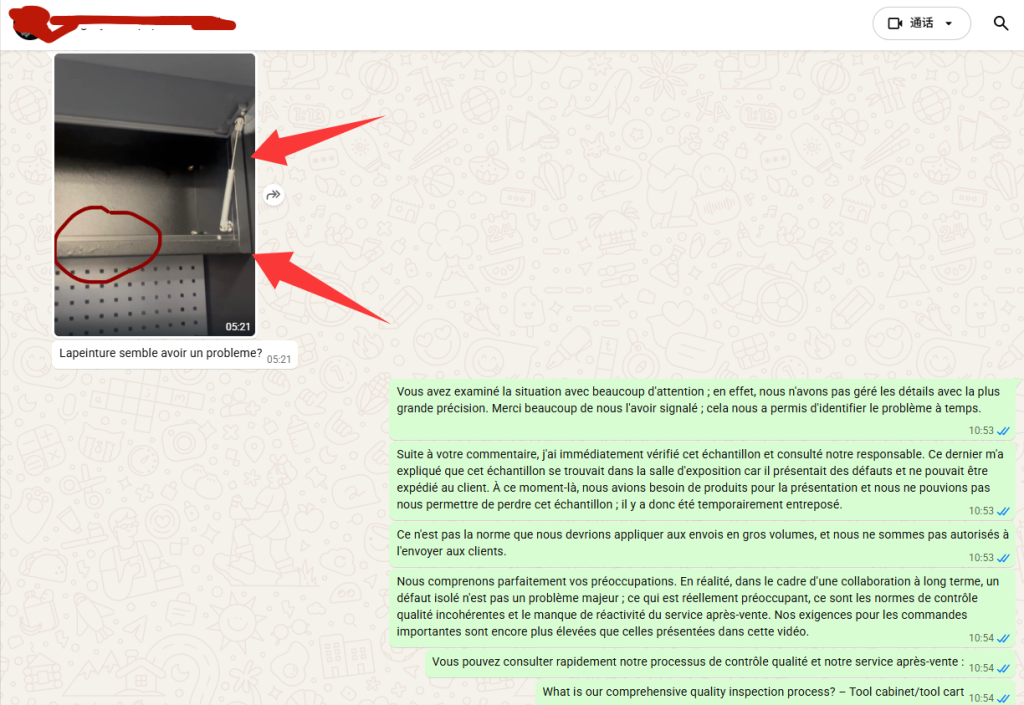
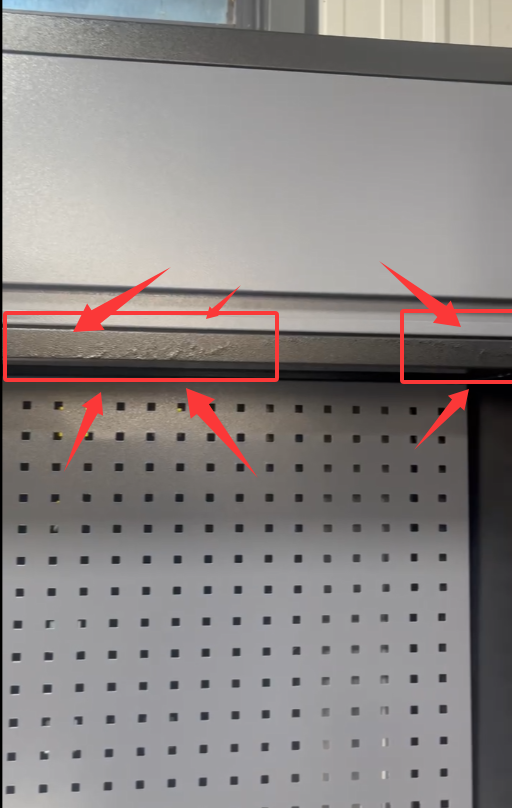
In response to a customer’s inquiry about the thickness and surface treatment of the product’s sheet metal, I hastily selected a video from my phone and sent it to them for convenience (this sample set was originally flawed, which is why we hadn’t shipped it to any other customers; it was just temporarily displayed in the sample room). Without careful inspection, I discovered that a portion of the tool cabinet in the video showed obvious powder coating bubbles and localized peeling. The customer quickly replied, saying, “This part of the product in the video has bubbles and peeling on its surface.”

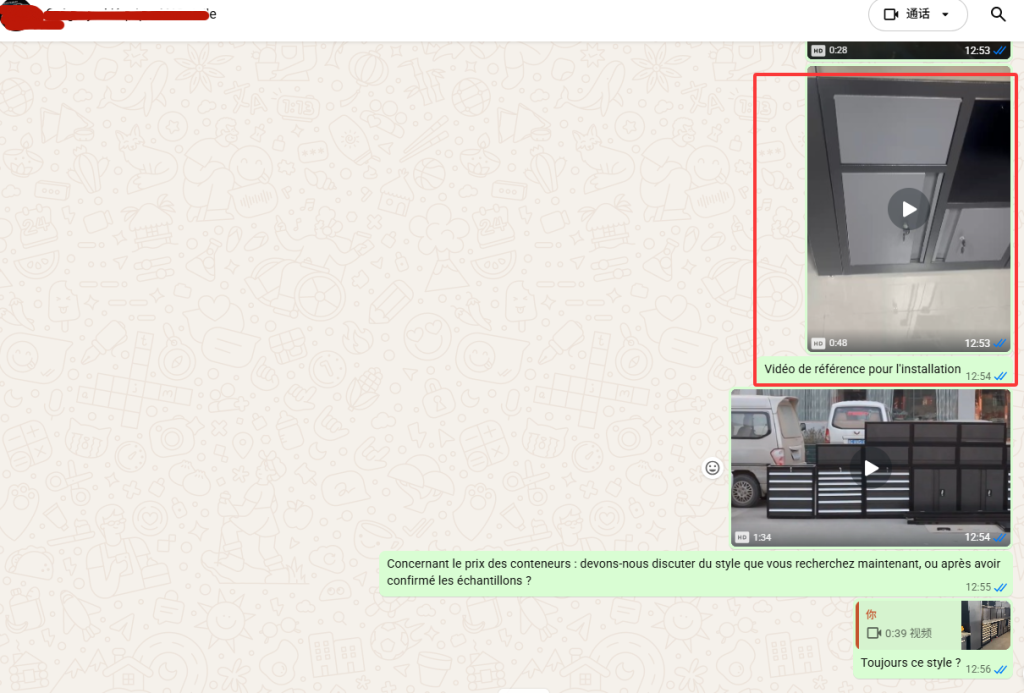
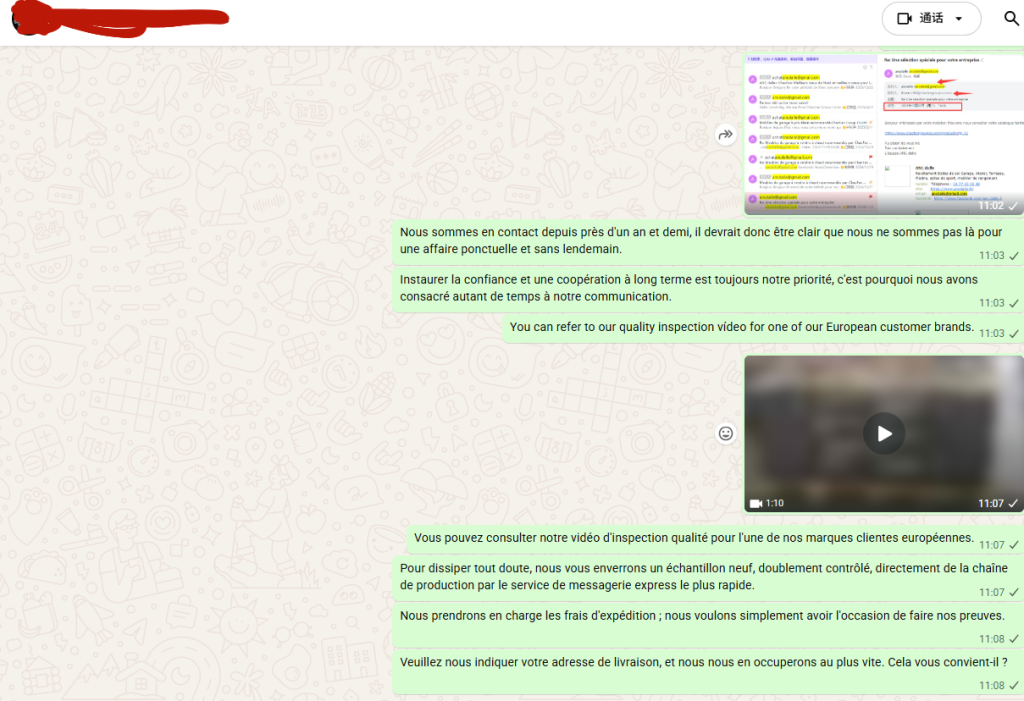
Video of defective products: https://youtube.com/shorts/17HxHFhTu1E
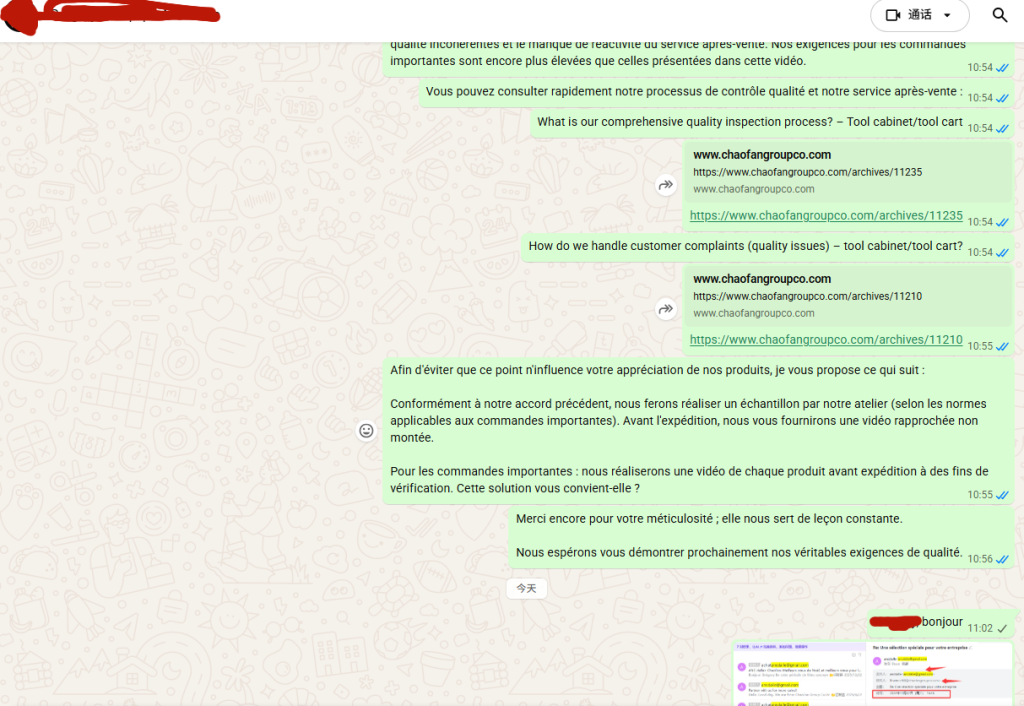
I immediately realized the seriousness of the problem and quickly explained that these were isolated defective products, not part of the mass production standard. I also resent our quality control procedures, after-sales instructions, and a production video we created for a European brand.
What is our comprehensive quality inspection process? – Tool cabinet/tool cart
How do we handle customer complaints (quality issues) – tool cabinet/tool cart?
However, the customer never responded again. No matter how I followed up, WhatsApp and emails went unanswered, and we eventually lost contact completely.
This failure taught me a profound lesson:
- Details determine trust: Clients can accept room for product improvement, but they cannot accept a supplier’s laxity regarding quality standards. A flawed video was enough to make them question the professionalism and quality control capabilities we had demonstrated over the past year.
- Professional image cannot be compromised: In long-term communication, every document, every picture, and every video sent is an extension of the company’s image. Temporary and careless use of materials erodes client trust.
- Process standards must be maintained throughout: Powder coating is not the “final step,” but rather a process requiring strict control from welding, degreasing, spraying to curing. Any oversight will expose management weaknesses to the client.
This experience taught me that in industrial product exports, clients are buying not only products, but also trust in “stable quality.” Even a single video or photograph cannot be allowed to cross the line. From now on, I insist that all external materials must be reviewed by the quality control department to ensure that every detail can withstand scrutiny—because one oversight could mean losing a client we’ve cultivated for over a year.
Read More:
What is our comprehensive quality inspection process? – Tool cabinet/tool cart
How do we handle customer complaints (quality issues) – tool cabinet/tool cart?
Mercado Libre Uruguay: Gabinete De Herramientas/ Carro Porta Herramientas / Caja De Herramientas
As a foreign importer, what costs do you have to bear, especially the implicit costs?
Cost Reduction And Efficiency Improvement In Company Operations
Tool Cabinet / Tool Cart Buying Guide For Auto Repair Shop
Case Study on Supply Chain Cost Reduction and Efficiency Improvement
Customer question: Why is there such a big price difference for the same tool cabinet?
Tool Cabinet/Chest/Box Buying Guide
Tool Cabinet/Chest/Box Recommendations
How to identify your target customer base (in the tool cabinet industry)?